Crafting a Festive Laser Cut Santa Letter Ornament
When you’re preparing your seasonal handmade collections, finding a graphic design asset that truly captures the spirit of the season is a game-changer. The Letter to Santa Ornament Laser Cut landed in my workflow just as I was finalizing my winter market inventory, and I’m reviewing it from the perspective of someone who needs to turn a file into a sellable, tangible product.
First Impression: A Cozy & Decorative Winter Moment
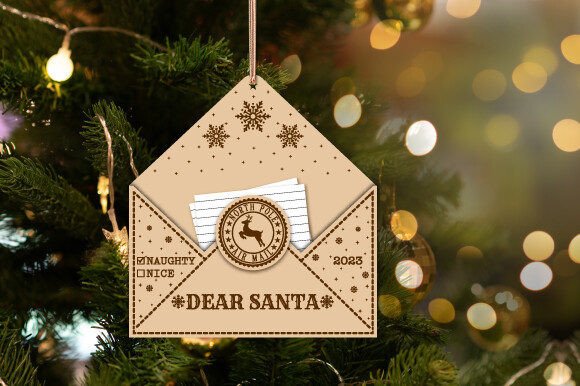
The first thing you notice with this design is its cozy, decorative feel. It’s not overly cute or cartoonish; instead, it leans into a more elegant, festive style with a touch of rustic charm. This suggests a premium handmade product. The aesthetic would attract customers looking for something special for their holiday decor—think gift-givers, holiday party planners, and those who appreciate classic winter themes with a clean, crafted execution. It feels perfect for a shop that sells thoughtful, decorative items rather than mass-produced novelties.
Real Crafting Uses: From Ornaments to Full Product Lines
While the name specifies an ornament, this is a versatile laser cut file. The immediate application is, of course, laser-cut wooden ornaments or acrylic pieces. But for crafters and handmade businesses, its utility expands far beyond that.
As a Cricut or Silhouette project, this SVG design is ideal for creating vinyl decals for tumbler wraps, custom mugs, and tote bags. The clean shapes translate beautifully into sticker designs, both as standalone holiday stickers and as decorative elements for planner pages or scrapbooking. For printable designs, it becomes a central graphic for gift tags, thank-you cards, party decoration templates, and even printable wall art if paired with a nice background.
For sublimation design work, it’s a strong candidate for t-shirt designs, especially for family holiday shirts or cozy seasonal sweatshirts. The key is its decorative nature; it works best as a feature graphic rather than a tiny logo. In small business branding, it could be adapted into a festive logo watermark for seasonal social media posts or used on handmade packaging for your winter product shipments.
Where This Design Asset Works Best
- Large Cut Files: Using it as a central, large element on ornaments, signs, or wall hangings.
- Clean Printable Layouts: Integrating it into greeting card fronts or gift tag designs where it’s the focal point.
- Seasonal Craft Bundles: Including it in a digital product bundle of winter-themed SVG files for fellow creators.
- Gift Products: Applying it to personalized items like etched mugs or custom stockings.
- Decorative Accents: Using smaller versions as repeated patterns on fabric or paper projects.
- Product Mockups: It shines in mockups for your Etsy product listings, showing customers a clear, attractive design.
Where to Use It Carefully: Watching the Details
Despite its versatility, there are a few crafting scenarios where you need to be mindful. The design has some intricate areas. For very small cutting details—like trying to cut it at a miniature size for a delicate jewelry tag—some fine lines might become problematic on a Cricut or vinyl cutter. Similarly, thin lines in crowded compositions could tear if you’re using delicate vinyl.
For projects requiring low-contrast colors, like a light vinyl on a light surface, the design’s readability might suffer; it needs good contrast. When resizing for small sticker sizes, test first to ensure all elements remain distinct. Always check how it looks on both white and dark products; a design that looks great on a white mug might need an offset or a different color vinyl for a dark tumbler.
Practical Crafter Notes Before You Sell
Before you commit this to a batch of customer orders or craft fair products, run through these practical checks. They’ve saved me from costly mistakes many times.
- Test the File First: Always cut or print a test piece. Open the SVG in your software and check that all lines are clean, connected, and layers are properly defined. The provided formats—SVG, DXF, EPS, PDF in the ZIP file—give you flexibility for different machines and software.
- Preview PNG Transparency: If you’re using it for printable designs, confirm the resolution is high enough for crisp printing and that any implied transparency or background works for your project.
- Confirm Sublimation Resolution: For sublimation, ensure the vector file scales up without losing quality for larger items like shirts.
- Test Colors & Materials: Print a sample on the actual material—whether it’s vinyl, cardstock, or sublimation paper—to see how colors translate.
- Resize for Different Products: Scale it up and down. Does it simplify well for a small gift tag? Does it hold its detail when enlarged for a tote bag?
- Pair with Complementary Fonts: If you’re adding text, this design pairs beautifully with a classic serif font for elegance or a clean sans-serif for a modern twist. A playful script font could also work if you’re aiming for a more whimsical product.
- The Most Critical Step: Confirm the Commercial License. Before using it for any handmade business products you sell on Etsy, at a craft fair, or in your creative marketplace, verify that your purchase includes a commercial license for the design asset. This is non-negotiable for professional crafters.
Integrating Into Your Handmade Business Workflow
From my perspective as someone running a small handmade business, the Letter to Santa Ornament Laser Cut isn’t just a file; it’s a potential product line starter. It can anchor a winter-themed collection. You could create a suite of products: the laser-cut ornament itself, matching vinyl-decorated mugs, printable gift tags with the design, and even sublimated tea towels.
For print-on-demand or digital product shops, it’s a solid, seasonal graphic ready for integration. The key to its value is its decorative clarity. It doesn’t feel like generic clipart; it feels like a crafted illustration, which elevates the final product you create. When you place it on real mockups for your Etsy product listings, that premium, handmade style communicates quality to potential buyers.
In the end, a good design asset like this supports the entire crafting workflow—from the initial idea to the final customer order. It provides a reliable, well-structured starting point that you, as the maker, can adapt, build upon, and transform into your unique handmade product. That’s the real worth for any crafter, hobby maker, or creative entrepreneur building their brand.