A Layered Wedding Design for Embroidery Projects
First Impressions: More Than Just a Wedding Motif
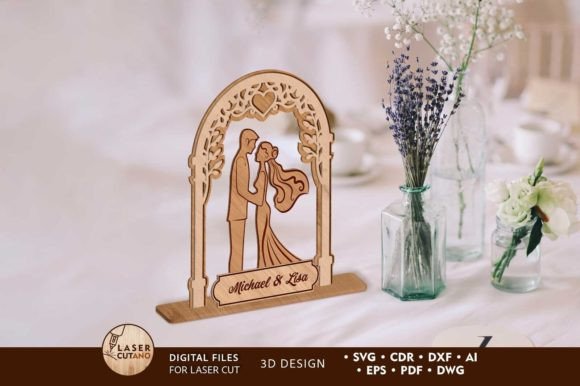
When you first open Wedding Multilayer Crafting Cut Files, the immediate feeling is one of structured elegance. This isn't a chaotic, overly romantic burst of hearts and doves; it has a composed, almost architectural quality. The layers suggest depth that can translate beautifully into embroidery, where different stitch types or thread shades can bring each level to life. The mood is celebratory yet polished—perfect for projects that need to feel special without being overly fussy. I see this design belonging to personalized gifts, boutique wedding merchandise, or even keepsake items for the couple themselves.
A Real-World Scenario: Crafting a Keepsake Tote Bag
Imagine a client requests a custom tote bag for a bridesmaid, something elegant and usable beyond the wedding day. As I look at this Wedding Multilayer Crafting Cut Files, I'm mentally stitching it. The layered elements could allow for a wonderful play of textures: perhaps a dense fill stitch for the central motifs and a sleek satin stitch for the outlining layers. On a high-quality canvas tote, it would create a product that feels professional and gift-ready, not just a quick craft. The design's clarity suggests it would stitch out with clean edges, which is crucial for customer trust in a handmade product.
Where This Design Excels in Your Embroidery Work
This design's structured layout makes it a versatile asset for a range of embroidery projects. For custom apparel like sweatshirts or premium t-shirts, it offers a focal point that’s detailed without being too dense. On tote bags and pillow covers, it would elevate the item into a wedding gift or boutique home decor piece. For small business merchandise or Etsy listings, it provides a design that feels cohesive and professional, aiding in brand consistency for shops specializing in weddings or personalized crafts.
It also holds potential for embroidered patches. The layering could be interpreted with applique techniques, using different fabrics for each layer, which adds tremendous product value. For digital product sellers, this file serves as a strong base for printable mockups or as part of a collection of design assets, appealing to other crafters looking for quality starting points.
The Caution Zone: Considerations for Stitching
While the design has clear appeal, its layered nature means you must be mindful in application. On small hoop sizes, the intricate details might become lost or require simplifying. Textured or stretchy fabrics like some knits could challenge the clarity of the layered edges; a robust stabilizer choice is non-negotiable here. If stitching on dark fabric, thread color contrast needs careful planning to ensure each layer remains distinct.
Curved surfaces like caps could be tricky if the design has wide, flat areas—hooping and distortion need extra attention. Also, consider products that need frequent washing, like kitchen towels or baby items. A design with many dense stitch areas might not wear as well over time compared to simpler outlines. Always test the design on scrap fabric first, matching the final project's material, to inspect small details and stitch density.
Impact on Your Business and Craft
Using a well-executed design like this affects more than just the stitch-out. It enhances the visual appeal and stitching clarity of your finished product, which directly boosts customer trust and buyer engagement. A clean, professional embroidery result makes your handmade presentation feel deliberate and skilled, not amateurish. For a creative entrepreneur, this translates to repeat clients and positive reviews.
Its inherent giftability and recognition as a wedding-themed item make it an easy sell for personalized products. It helps your work look cohesive if you offer a wedding line, strengthening your market position. However, a key practical note: always check whether the design works for both personal and commercial projects and confirm licensing before selling finished items. The provided description mentions preparation for laser cutting, so as an embroidery designer, you must verify the suitability and licensing of the files for your specific machine embroidery use.
Practical Designer Notes Before You Hoop
- Test, test, test. Run the embroidery file on scrap fabric that mimics your final project's weight and texture.
- Check thread color contrast against both light and dark backgrounds. Consider creating black and white mockups to see how the layers hold up without color.
- Review the stitch density in your software. Are there areas that might be too thick for delicate fabrics or too sparse for a bold look?
- Confirm your hoop size can accommodate the design with enough margin for clean stitching, especially if adapting it for an applique design technique.
- Use the proper stabilizer for your chosen fabric texture. A layered design often needs good support to prevent puckering.
- If you plan to sell the physical products or include the file in your own digital shop, double-check the license terms. The description focuses on laser cutting, so clarity on commercial embroidery use is essential.
The Final Verdict for Makers
Wedding Multilayer Crafting Cut Files presents a strong, elegant foundation for embroidery projects targeting weddings and sophisticated gifts. Its layered structure invites creative interpretation with stitches and textures, offering real value to craft businesses and apparel decorators. However, its success hinges on your practical embroidery skills and preparation—hooping, stabilizing, and testing are paramount. It’s a design that, when stitched with care, can produce standout custom apparel, embroidered patches, and heartfelt personalized gifts that truly honor the occasion. Approach it as a professional tool, not just a decorative file, and it will repay that attention with beautiful, saleable work.